
Brand guidelines (or a brand style guide) are the framework behind every recognisable brand. They’re the instructions that ensure your visual identity always looks the same, your colors don’t go off the rails, and your messaging remains consistent, no matter who’s in charge of marketing your brand. Brand Guidelines take many forms, from a one-page overview to hundreds of pages of detail.
Brands are complex systems. Their application across multiple platforms and media takes time, judgement and an eye for detail. To make it look effortless it takes planning.
Think of brand guidelines like a rulebook for your brand. They’re a set of instructions that tell you how your brand should look, feel, and sound across every platform. From optimising logo position to choosing the right colour for a touchpoint to applying brand tone of voice; brand guidelines help you keep everything in sync and looking well, on brand.
A brand style guide typically includes both visual and verbal instructions. So, it’s not just about how your logo should appear, but also how you want your brand to communicate with people.
To put it simply, brand guidelines give you the "how-to" manual for creating a consistent look and feel for your brand. They’re especially helpful when you have a team (or even external freelancers) working on your brand’s application, because they help everyone stick to the same playbook.
By having a brand manual in place, you can ensure that your brand always feels like one cohesive entity, across print, digital and experiential touchpoints.
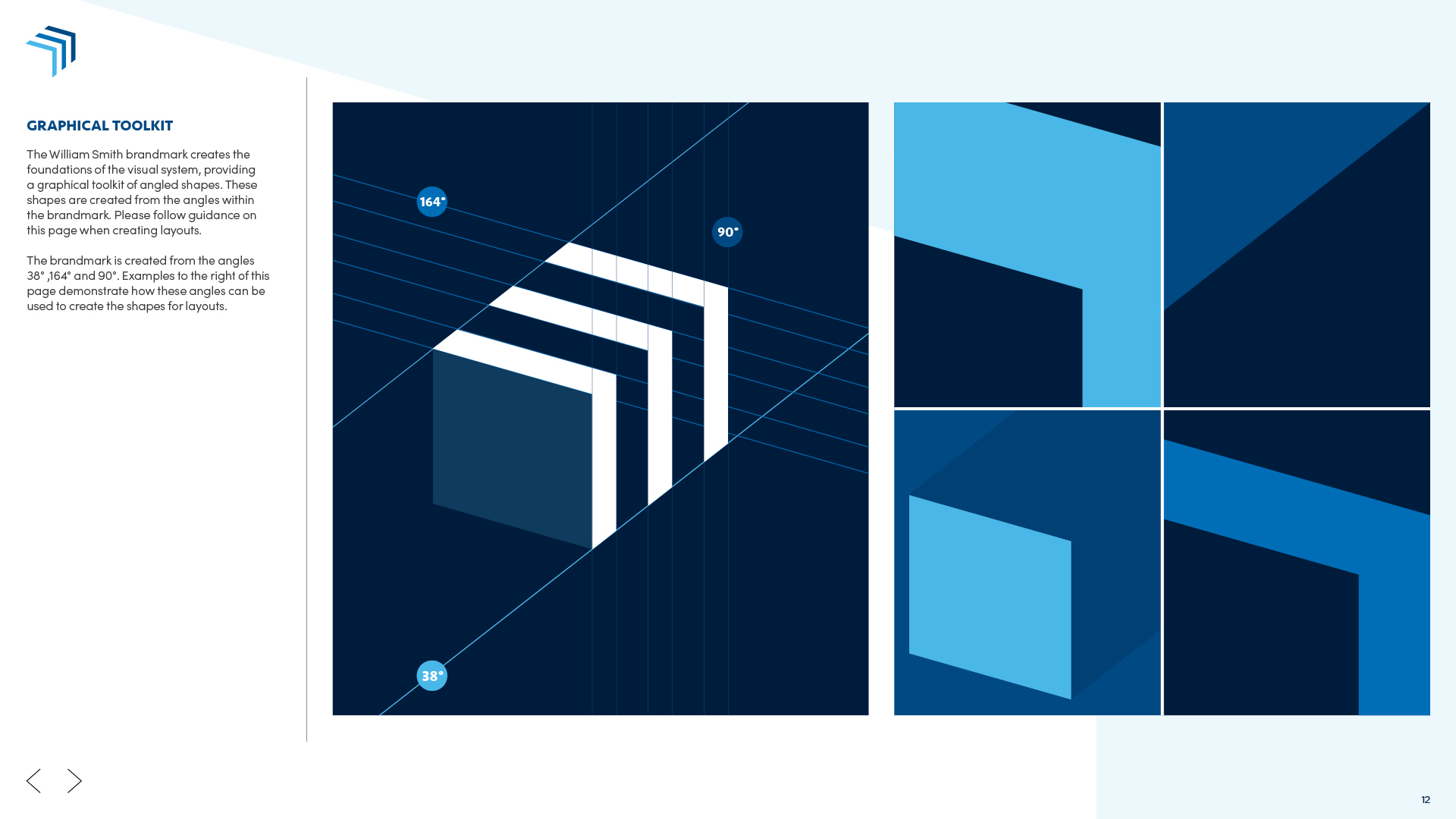
Brand guidelines can get a bad press, but if they are created in the right way, they are worth it. Here’s why:
Without brand guidelines, you’re leaving the door open for inconsistency, which could lead to confusion about what your brand stands for and who it is.
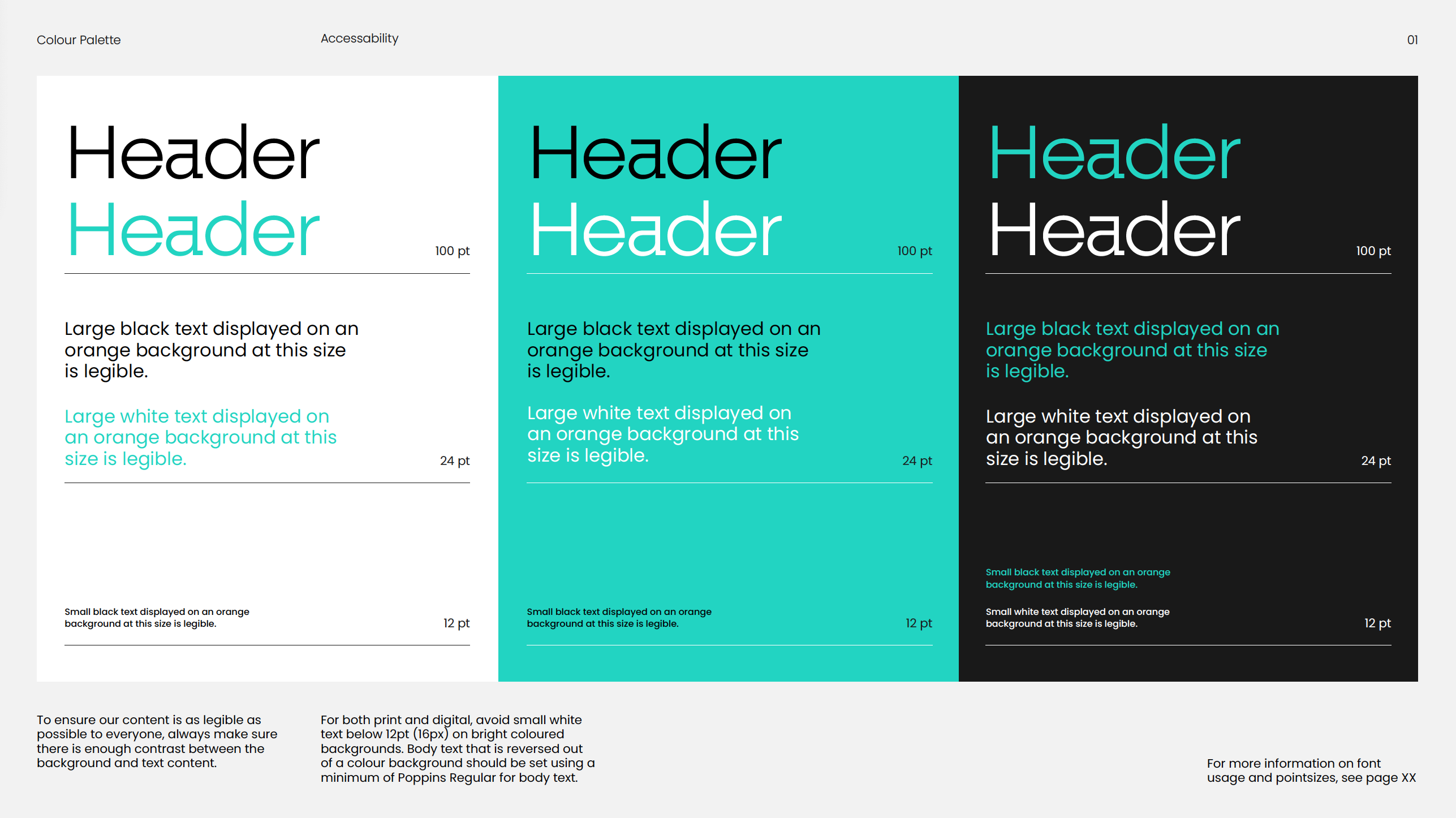
There are no defined rules as to which core components you’ll need to include in your brand manual - each brand is different. however, a solid brand style guide should cover the basics, so your branding stays on point no matter who’s working on it. Here’s a few essentials:

So, how do you go about creating brand guidelines that actually work? Here’s a simple step-by-step process to get you started:
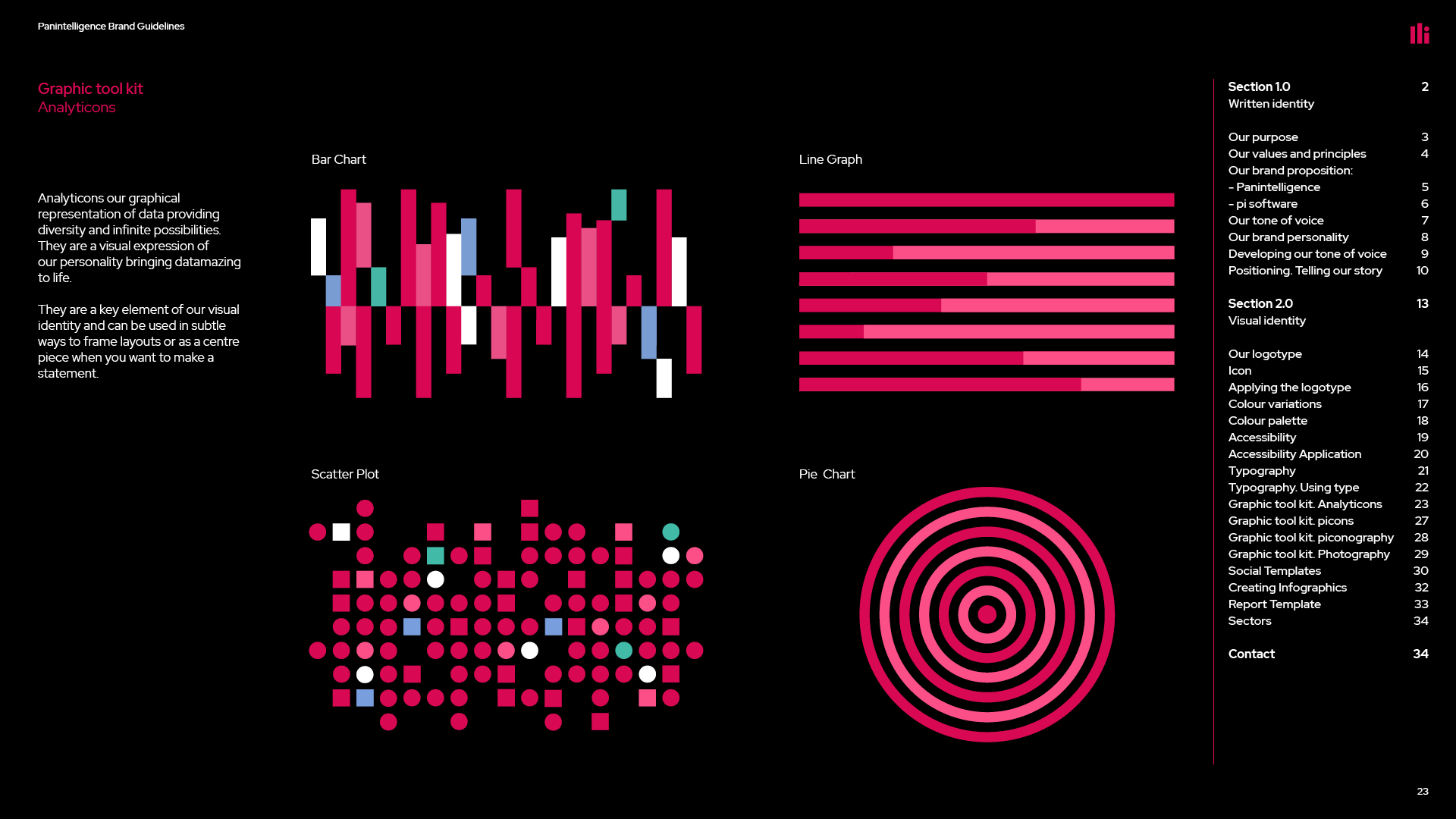
What format should brand guidelines be produced in? Until the last couple of years, PDF documents have been the dominant format. However, they have their limitations. PDFs are less flexible to update, with the client often having to go back to the original agency to amend - leading to additional cost and time. Also, PDFs don't handle digital media very well. It's now a core fundamental for brands to move through video and animation - PDFs can't display this.
The popularity of online brand guidelines is growing, with platforms like Brandpad, Frontify and Standards leading the way in web-based, dynamic guidelines that can show moving image as well as static examples and templates. The admin behaves like a website Content Management System, allowing for changes to be made easily. As you might expect, they incur monthly hosting fees which PDFs do not.
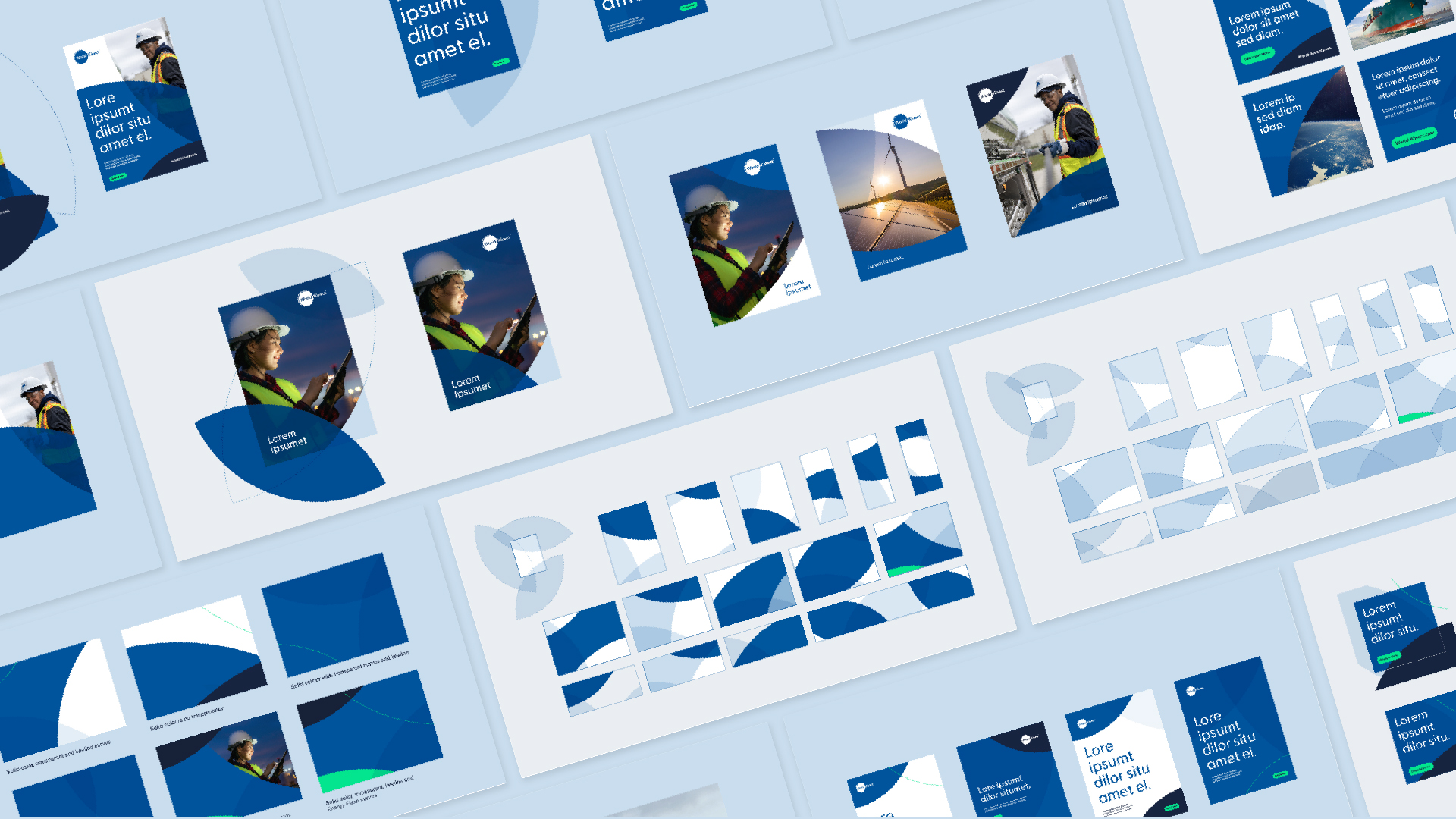
Creating brand guidelines may seem like a big task at first, but it’s one of the most important steps in building a successful, recognizable brand. By clearly defining how your brand looks, feels, and communicates, you’re setting yourself up for success.
Remember brand guidelines are just that, a guide. Every brand has different requirements unique to their circumstances so building flexibility into them is important. The Engine Room have years of experience in creating brand guidelines. You can view more examples in our portfolio of brand projects.
 Back to top

