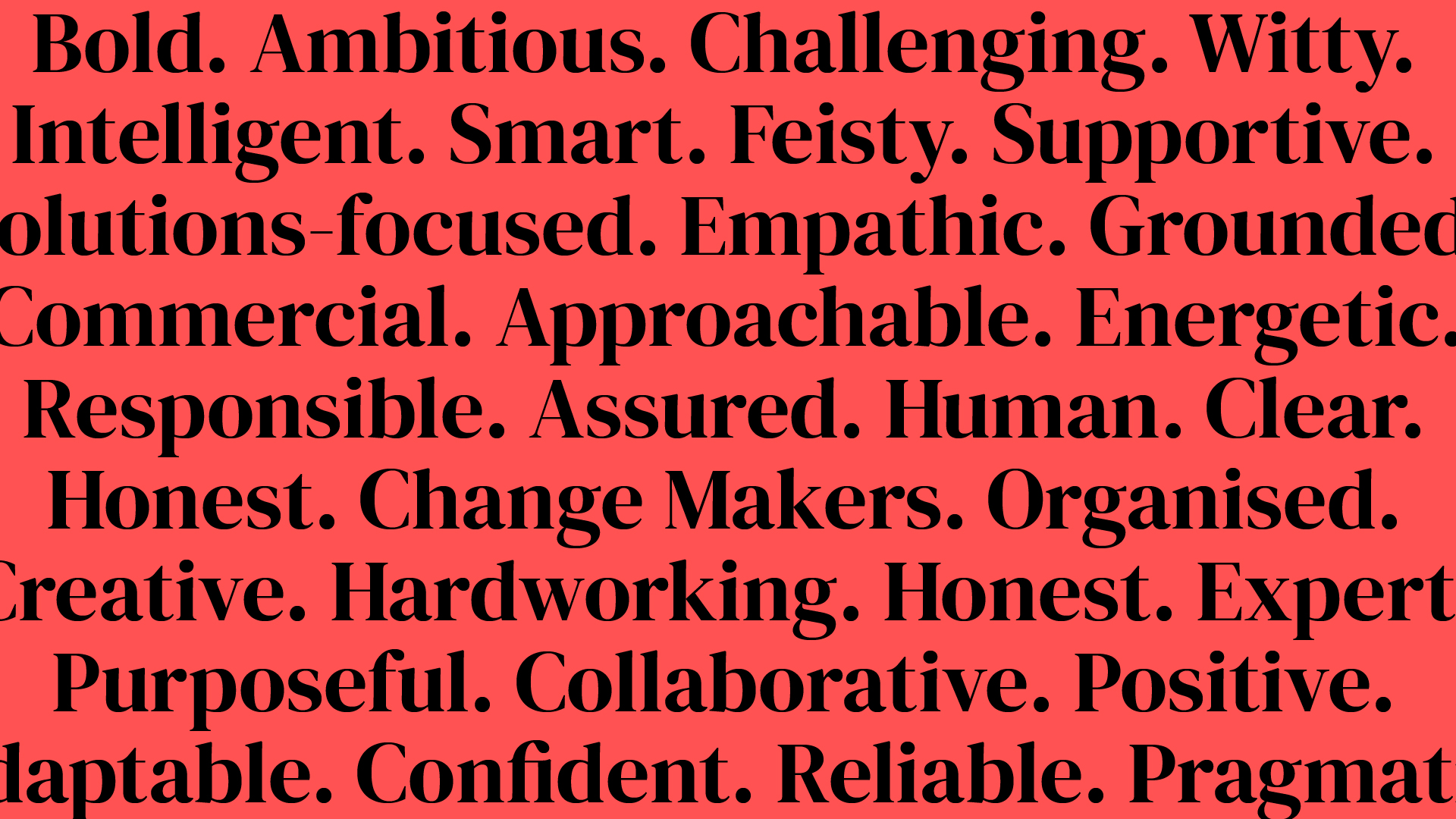
The way a business looks, sounds and feels creates a personality that shapes how people connect with it. When it comes to engaging with your audience, a clear brand personality isn’t just “nice to have.” It’s the driver of your messaging, customer relationships, and long-term growth. It’s not a science, but it does take focus and planning. It’s worth exploring what brand personality really means, why it matters, and how you can create one that feels authentic and memorable.
Brand personality exists because we can’t help but humanise businesses through brand. It's often easy to think of a brand like a person. Some are playful and witty, while others are efficient and calm. Brand personality is the set of human traits people associate with a company. It is experienced through your visual identity, your written tone of voice, and even the way your team interacts with customers.
Why does this matter? Because people don’t just buy products or services—they buy stories, experiences and values. Humans are predetermined to want to belong to something, (read Seth Godin’s Tribes for more on that). A strong brand personality connects with audiences, builds trust, sparks emotion, and can help your business stand out in a sea of other brands.
Imagine two coffee shops: one is sleek, efficient and modern, with minimalist branding and crisp communication. The other is cozy and playful, with handwritten signs and quirky social posts. Both sell coffee, but the experience feels entirely different.
That’s the power of brand personality in customer experience. It influences how customers feel when they interact with you, and it helps them decide whether that coffee shop is where they want to spend time. Over time, a consistent brand personality turns casual buyers into fans. Fans are much more likely to recommend you.
Strong personalities are powerful assets. But they also have the potential to work against businesses too. Remember when Innocent Smoothies sold a large stake in their business to Coca Cola Company? It caused many Innocent devotees to denounce the brand, citing a sell-out of the brand’s original ‘all natural’ principles. What seems like a perfectly good business opportunity actually harmed the brand.
If your personality is a part of your purpose then you HAVE to stick to it.
Developing a clear brand personality doesn’t happen by accident. Here are some simple steps to define and develop yours:
When you align your personality with your audience’s expectations, your brand feels both trustworthy and relatable.
Nike: Bold, inspiring, and empowering—its voice motivates people to “just do it.”
Innocent Drinks: Playful, witty, and lighthearted—its charm comes from humour and simplicity. Innocent set a high bar for using brand tone of voice and in the process spawned a million imitators.
Paddy Power: Cheeky, bold, and irreverant—this is a brand that knows its audience and plays to it (regardless of any opinions on gambling).
These companies show how a strong brand personality strategy creates emotional bonds that last longer than any campaign.
At its core, developing a strong brand personality is about connection. When you define it with care and express it consistently, you give your audience more than just a product—you give them a relationship worth investing in.
A purposeful personality makes your business memorable. And in today’s competitive online world, being unforgettable is the ultimate advantage.