Built in 1837, it is home to the last surviving monitorial hall in the world. Since closing as a school in 1969, it has been lovingly preserved as a museum, school visit destination, community café, and events space.
Our brief was to address the inconsistent signage and wayfinding of the site and create a series of communication templates. It quickly became clear the museum needed a more cohesive and modern identity worthy of its extraordinary story.
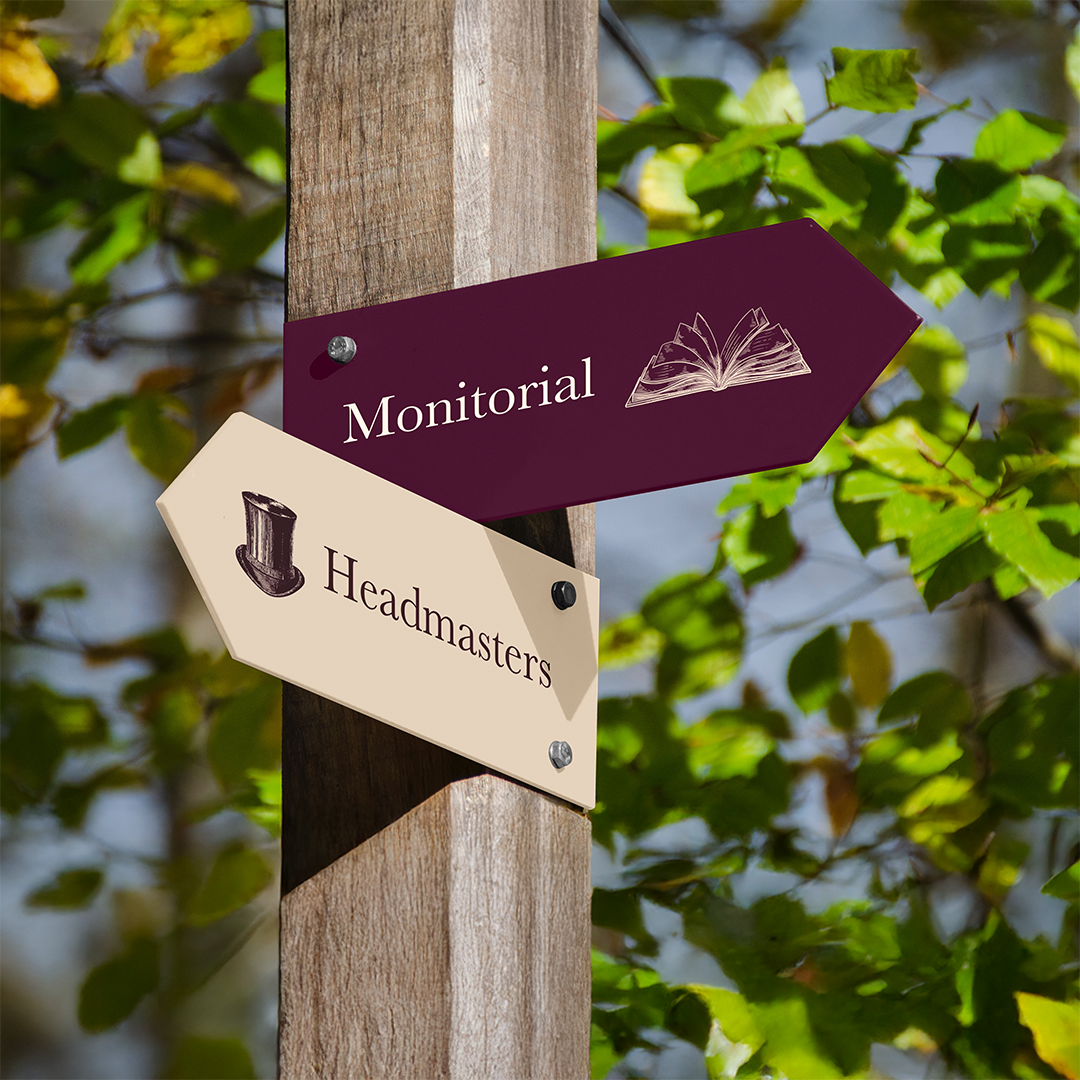
To experience the wayfinding first hand, we visited the museum in person, mapping the potential opportunities and pain points. The old school layout created real challenges, with key destinations, like the ticket office and exhibition rooms proving difficult to find without guidance.
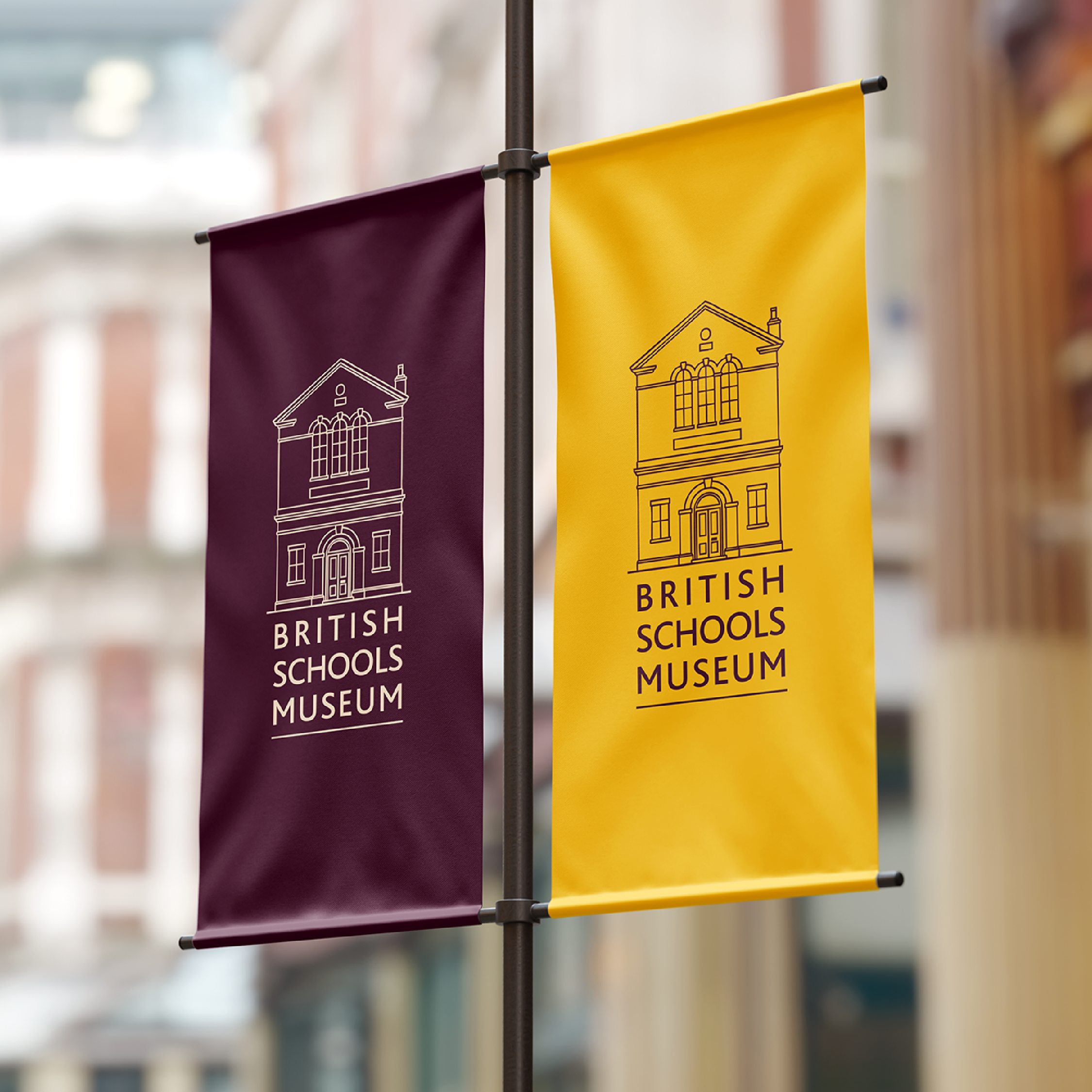
We discovered that the museum's exterior was also underused - a missing opportunity to draw people in from the wider town.
Following the site visit we presented back our sign location recommendations, which included directional, identification and informational signage.

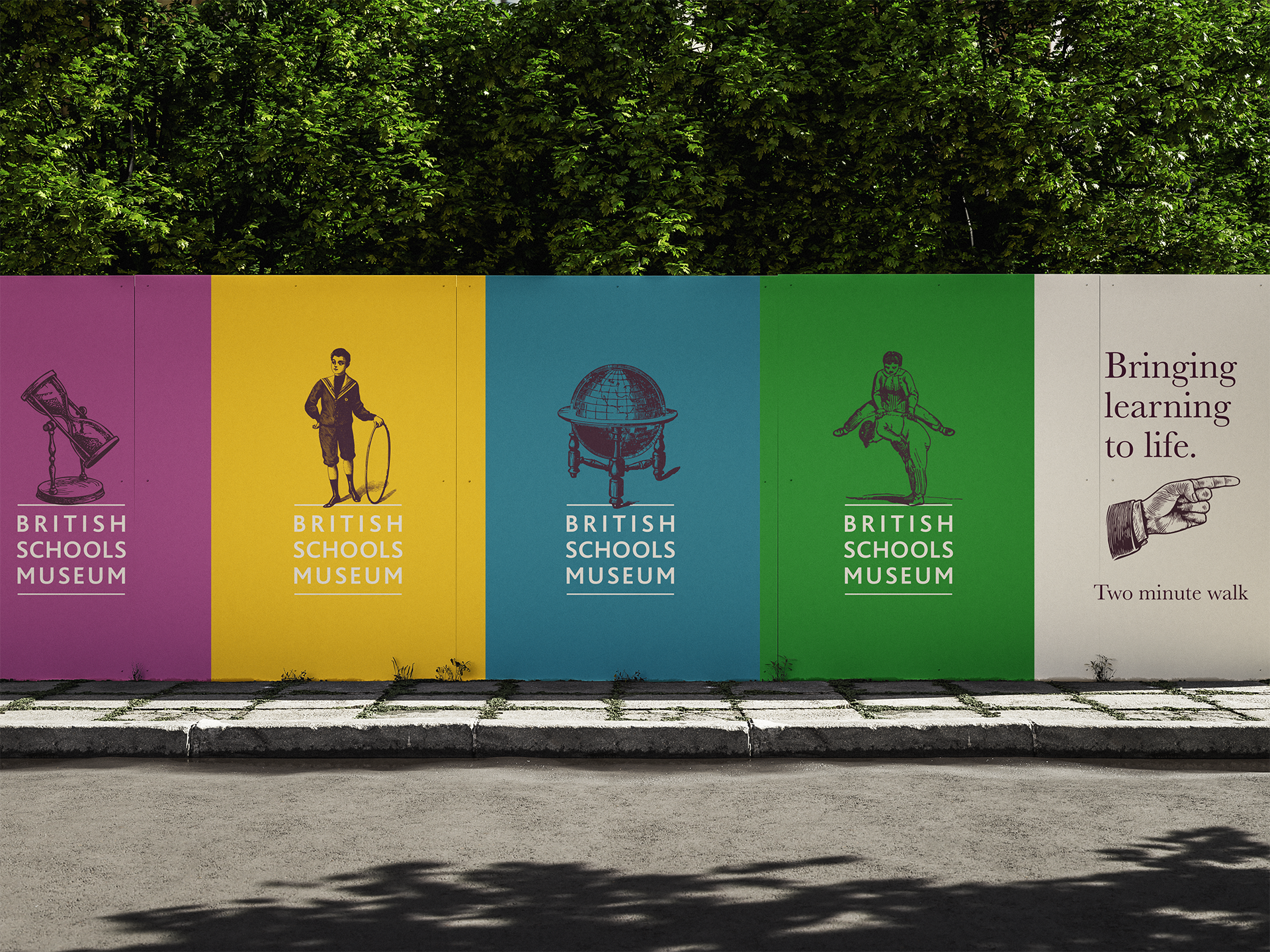
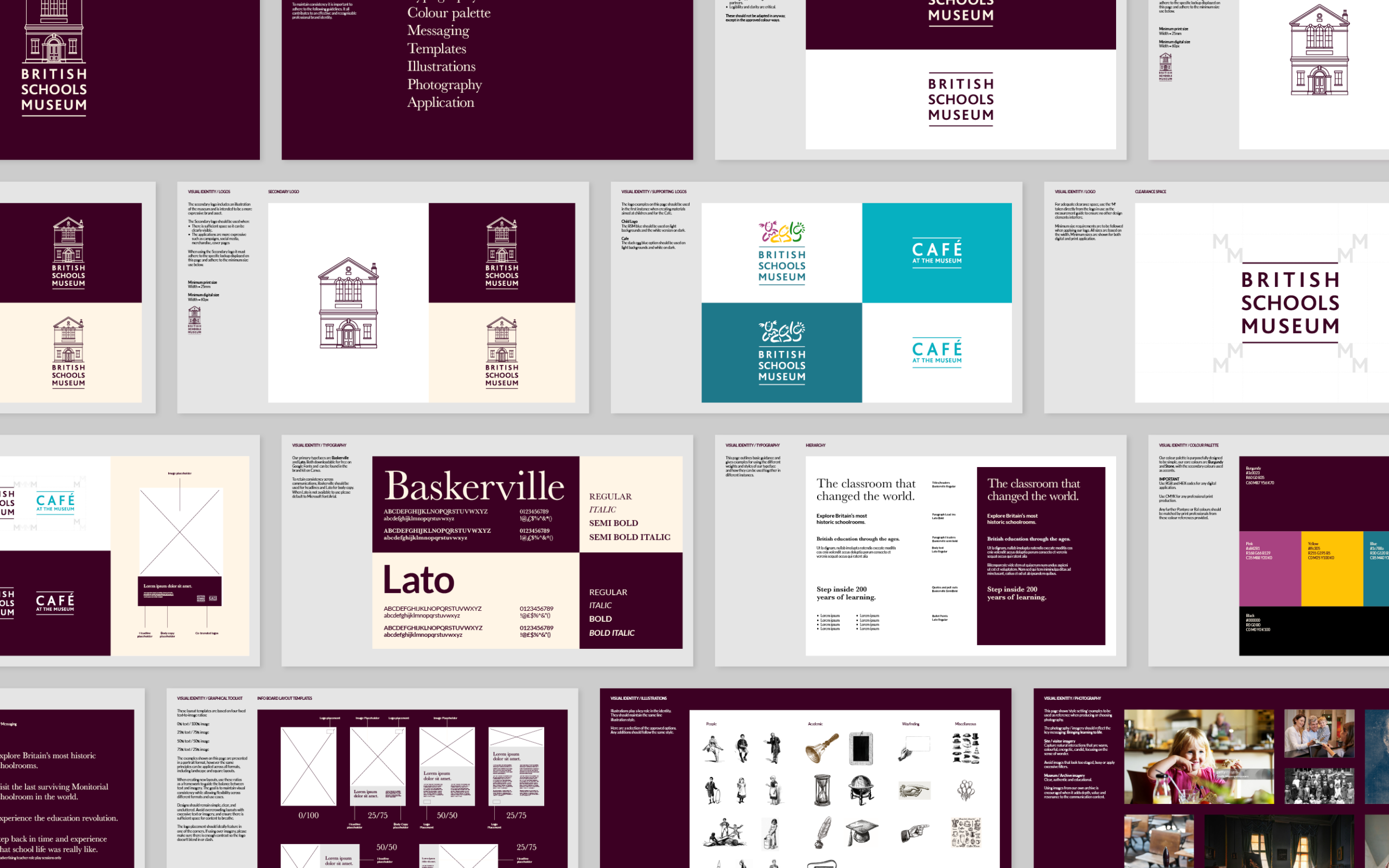
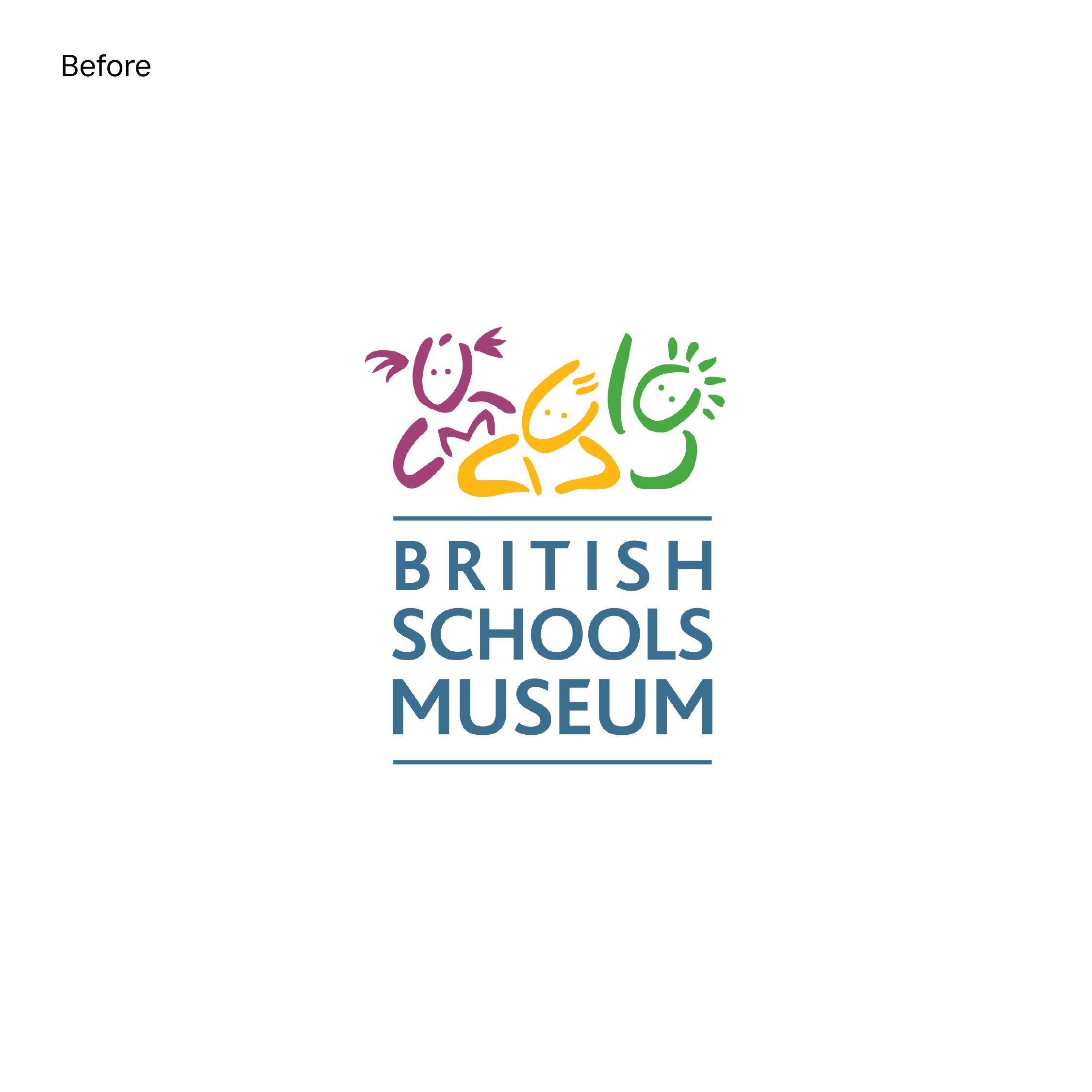
We set about refining and evolving the established, well liked identity, creating a more contemporary and coherent system.
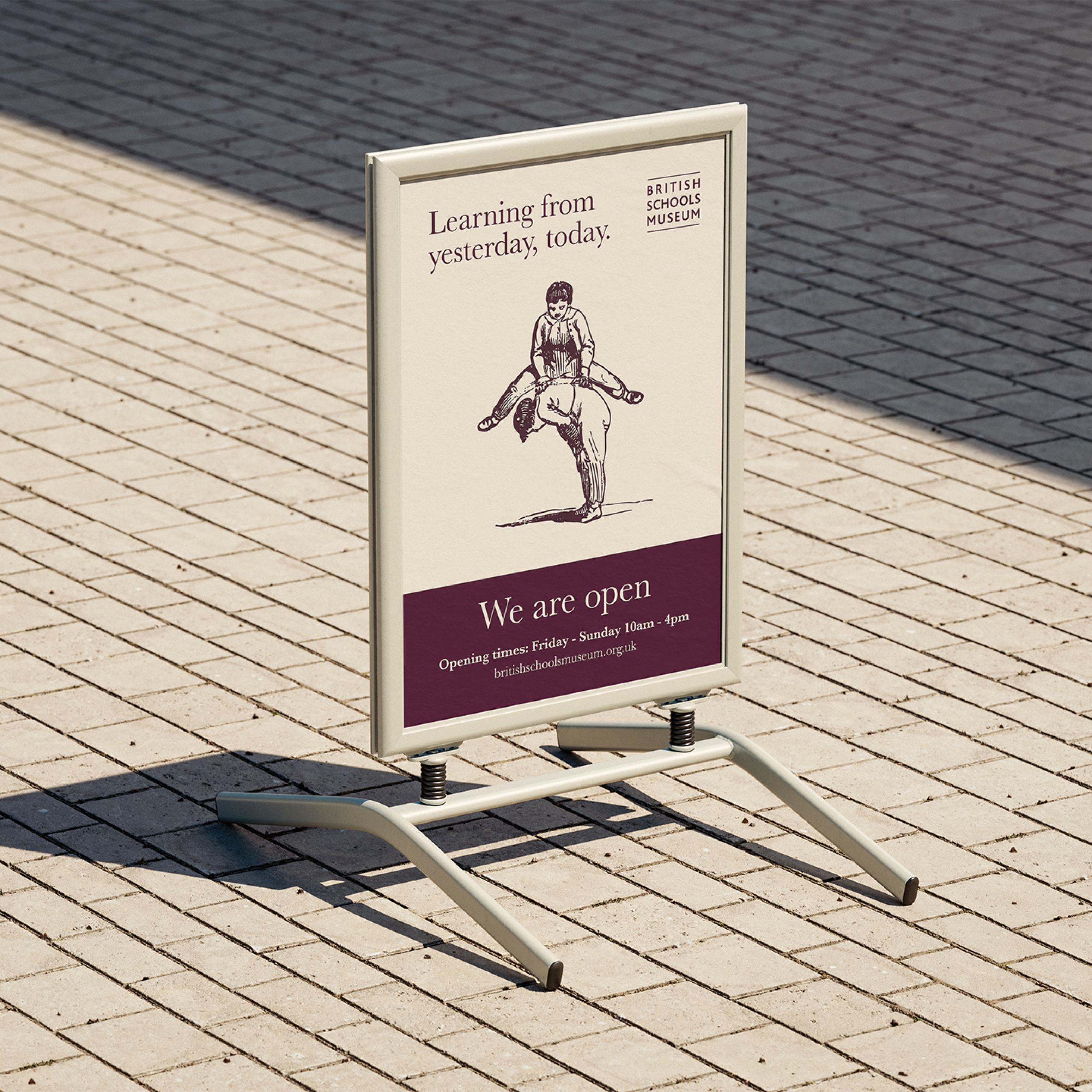
A new colour palette was introduced, leading with heritage and parchment inspired tones. The logo wordmark was carefully refined, giving it the versatility needed across multiple applications. We also introduced a set of ‘archival style’ illustrations to fit with the rich history.
Alongside the identity, we developed a new messaging framework to give staff and volunteers a clear, consistent voice that is warm, proud of its history without being stuffy.

A new identity system included signage, information boards, flyers, brochures, and social templates that the team could easily manage and update themselves.